
Is Your Pet Hydrated?
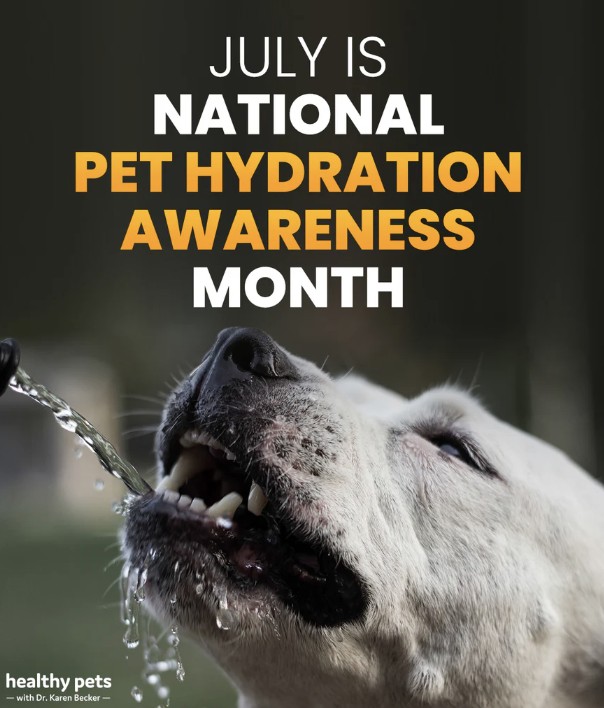
With rising summer temperatures, July has been established as National Pet Hydration Month. While keeping water available to indoor and outdoor pets may seem like common sense, the summer heat provides an opportunity to educate your clients about the symptoms and dangers of dehydration and overhydration.
Common Symptoms of Dehydration
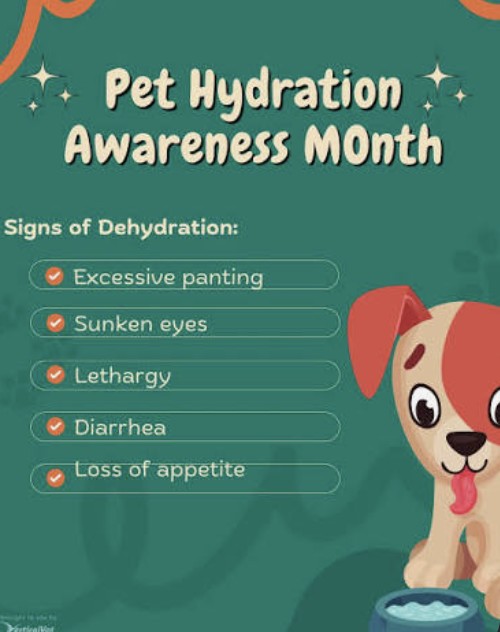
Loss of appetite
Reduced energy levels
Lethargy
Panting
Sunken, dry-looking eyes
Dry nose and gums
Loss of skin elasticity
Tips to Keep Your Pet Hydrated
Fresh Water Supply
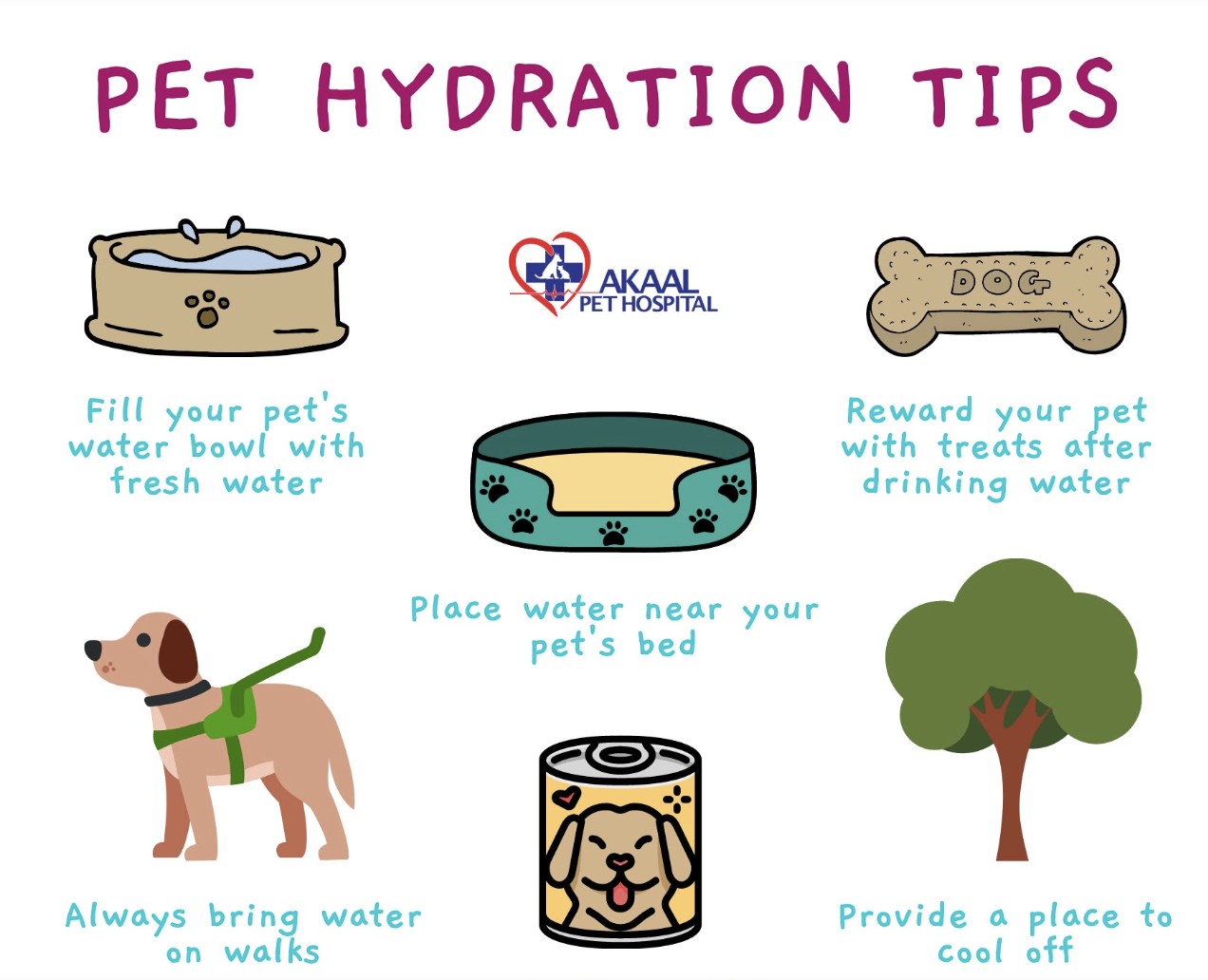
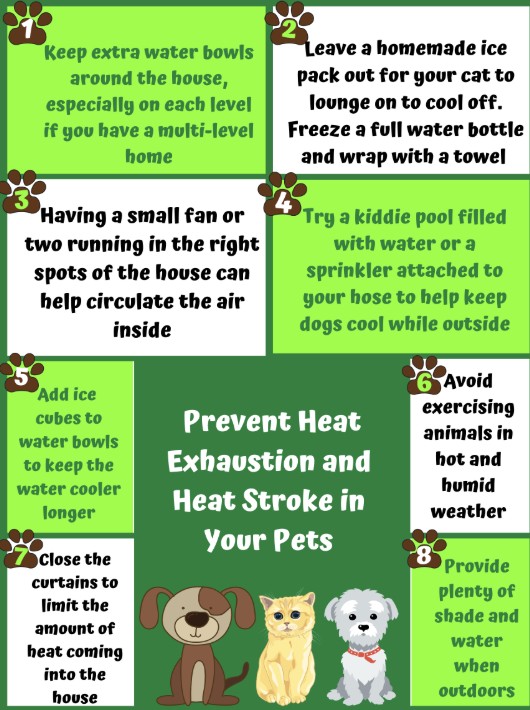
Always give your pets access to fresh, clean water. Regularly check their water bowls to ensure they are clean and replenish the water throughout the day, especially during hot weather or if your pet is particularly active. Consider using a pet water fountain, as some pets prefer running water, which can encourage them to drink more. Be sure to clean the water fountain regularly, especially in multi-pet households.
Hydration on the Go
If you’re planning outdoor activities with your pet, bring along a portable water bowl and a bottle of water. Take regular breaks to offer your pet water and encourage them to drink. Remember that physical exertion and heat can cause pets to become dehydrated more quickly, so be extra vigilant during these times.
Wet Food and Treats
Talk to your veterinarian about incorporating wet food into your pet’s diet, as it contains higher moisture content compared to dry food. Additionally, you can provide hydrating treats such as frozen seedless melon or low-sodium chicken broth ice cubes. These can be a tasty way to increase your pet’s fluid intake.
Monitor Water Intake
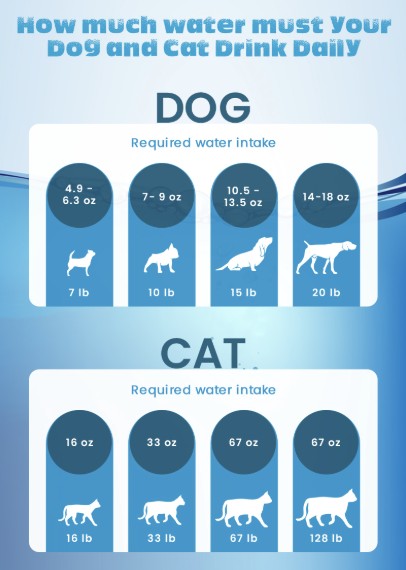
Pay attention to how much water your pet is drinking on a daily basis. Any significant changes in their water intake could be a sign of an underlying health issue. Excessive thirst or a sudden decrease in water consumption should prompt a visit to the veterinarian for a check-up.
Awareness of Hydration Signs
Educate yourself about the signs of dehydration in pets. These may include dry gums, sunken eyes, lethargy, loss of appetite, dry skin, and excessive panting. If you notice any of these symptoms, seek veterinary care immediately.
Consider Pet-Safe Summer Activities
During the summer months, it’s essential to be mindful of the outdoor activities you engage in with your pets. Avoid walking or exercising them during the hottest parts of the day and provide shade and rest breaks during outdoor adventures. Always carry water for both you and your pet.
Regular Veterinary Check-ups
Schedule regular veterinary check-ups for your pets to ensure they are in good health. At Wilmington Animal Hospital, our veterinarian can assess their hydration levels, provide guidance on their specific needs, and address any concerns you may have.