
A Tiny Chip Could Make the Difference

National Microchipping Month is celebrated annually to raise awareness about the importance of permanently identifying pets. It encourages pet parents to microchip their cats and dogs, ensuring they can be reunited with their owners if lost, as collars and tags can fall off. It’s the time of year when veterinarians, animal shelter operators, and pet lovers alike set aside to talk about the importance of microchipping your pet. This tiny chip, with its unique identification number, could make the difference between your pet finding his or her way home and being lost to you forever. You might say, “My pet never gets out by himself,” and that’s a great thing. What happens though if something spooks him and he dashes out the door, or slips out of her collar, or finds a way you never imagined would be an escape route and slips away.
What are Microchips?
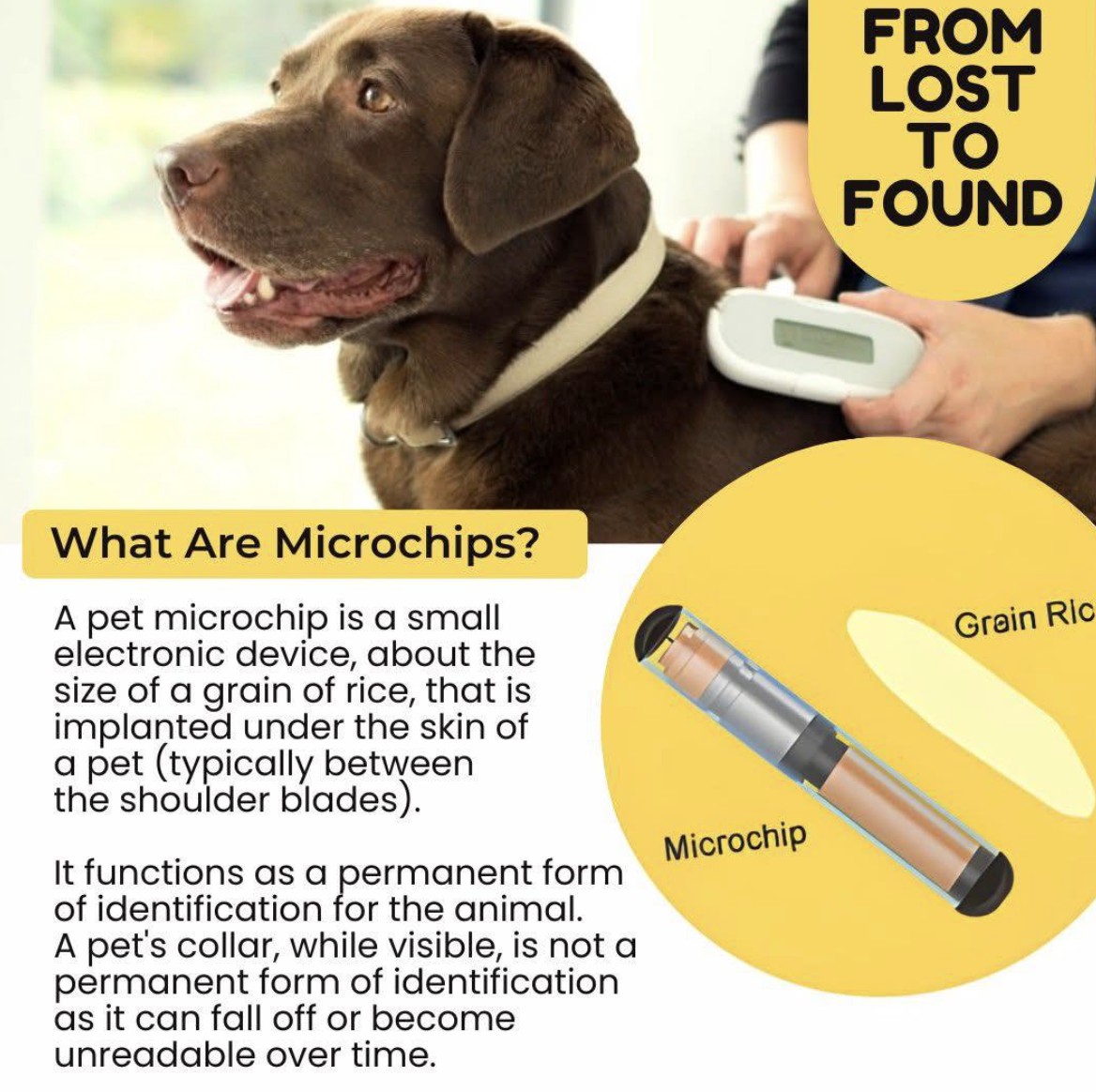
It’s an identifying circuit that is implanted under the skin, at the shoulder blades, of your pet. It’s no bigger than a grain of rice. If your pet gets lost she can be scanned with a microchip reader, the identification number shows and you can be found in a database because the number is linked to your information. The price for the procedure varies but is typically less than $50. Microchip companies may require a fee to register your information.
Will it hurt my pet?
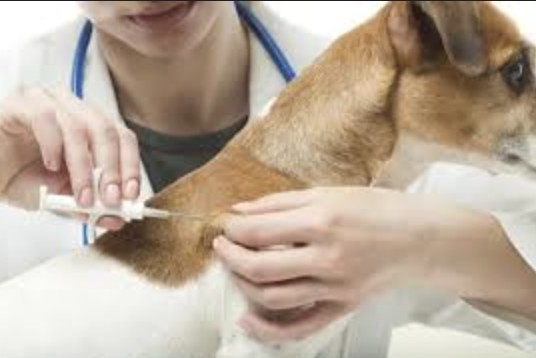
Veterinarians say that implanting a microchip is akin to getting a vaccination. The procedure is quick and doesn’t require anesthesia or recovery time. There are some veterinarians who will administer a topical anesthetic, but it’s not necessary.
How safe is the microchip?
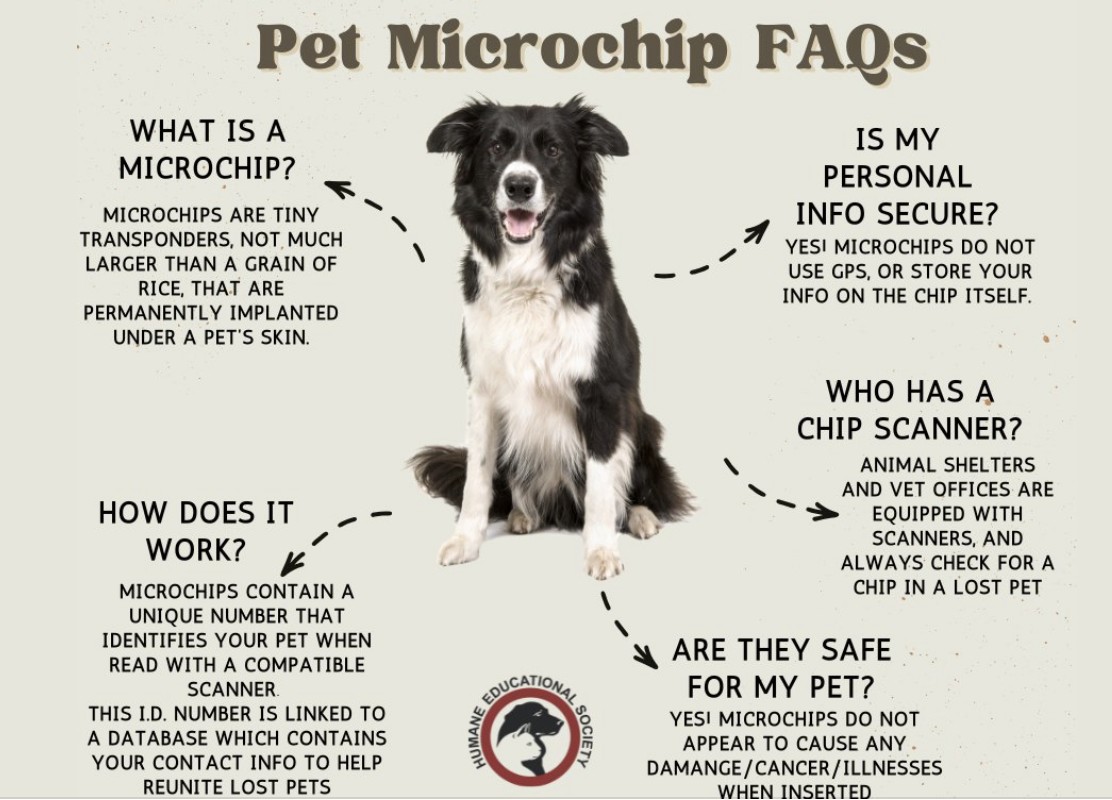
The risk of losing your pet forever is much higher than the risk of having your pet microchipped. The chips are made from a biocompatible substance and that means it shouldn’t cause any allergic reactions in your pet. In the past there were reports of the microchips “migrating” in the pets, but the newer chips have an anti-migrating property so that doesn’t happen. Once the chip has been implanted it will stay in place, will not degrade over time, and will help ensure you and your pet are reunited if he is ever lost or stolen.
Who does the scanning?
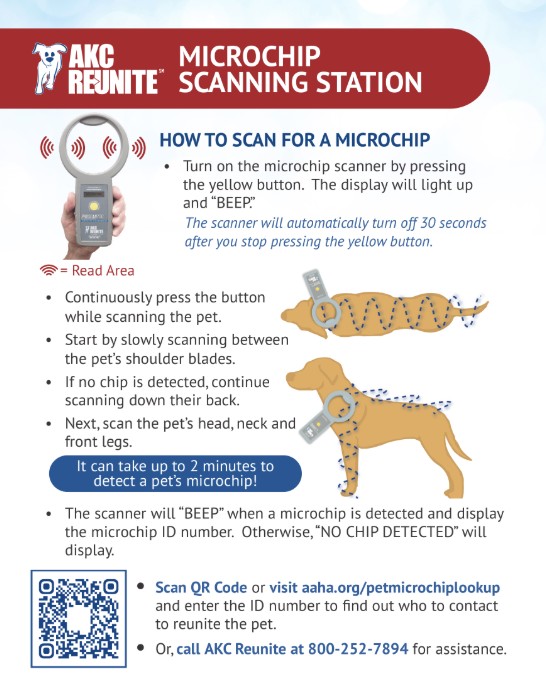
In the frightening event that your pet is lost or stolen and is eventually found, nearly all animal shelters and veterinarians have a microchip reader; many of them are universal, meaning any type of chip can be read by any scanner.