
Keep Your Pet Healthy this Spring
April is the time for warm weather, spring flowers, and harmful bugs! Keep your pet safe from fleas and ticks this year. Fleas and ticks are harmful to pets because they cause intense discomfort, skin infections, allergic reactions, and transmit dangerous diseases. American Animal Hospital Association (AAHA), Merck Animal Health USA, and Bayside Animal Medical Center indicate that these parasites can lead to anemia, severe allergic dermatitis, and fatal diseases, making year-round prevention essential.
Harmful Effects of Fleas
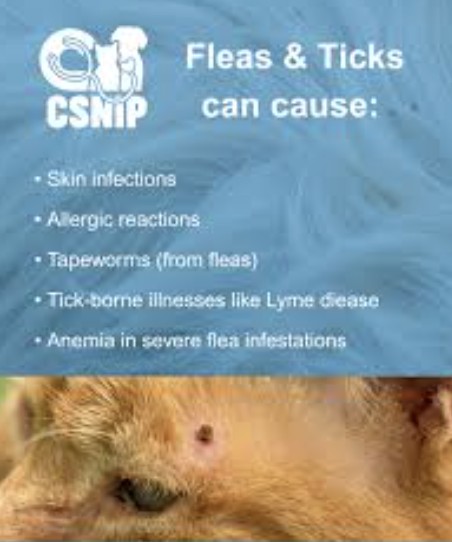
- Flea Allergy Dermatitis (FAD): An intense allergic reaction to flea saliva that causes severe itching, hair loss, and scabs.
- Anemia: Heavy flea infestations can cause excessive blood loss, which can be fatal for small pets.
- Tapeworms: Pets often ingest fleas while grooming, which can lead to tapeworm infections.
- Disease Transmission: Fleas can transmit Bartonellosis and Feline Infectious Anemia.
Harmful Effects of Ticks
- Tick-Borne Diseases: Ticks transmit diseases such as Lyme disease, Ehrlichiosis, Anaplasmosis, and Rocky Mountain Spotted Fever.
- Tick Paralysis: Some ticks produce a neurotoxin that can cause paralysis in pets.
- Infection and Inflammation: If the tick’s head is left in the skin after improper removal, it can cause local inflammation or infection.
General Impact on Pets
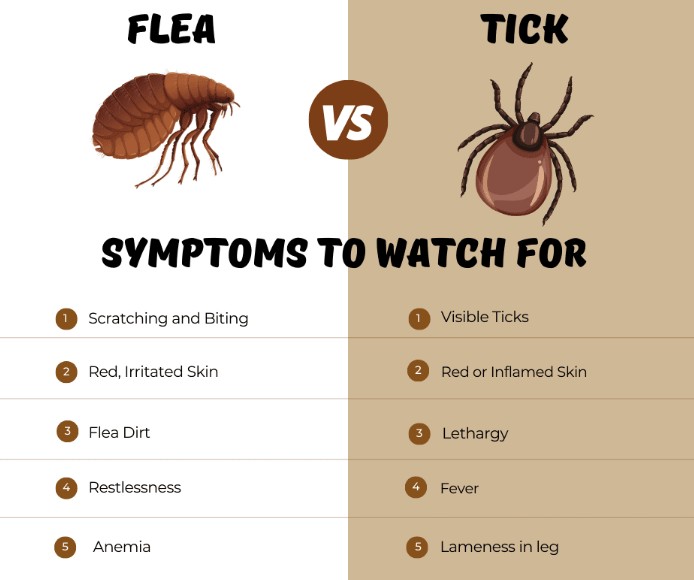
- Discomfort: Constant, intense itching and irritation.
- Secondary Infections: Constant scratching and biting can cause open sores that become infected.
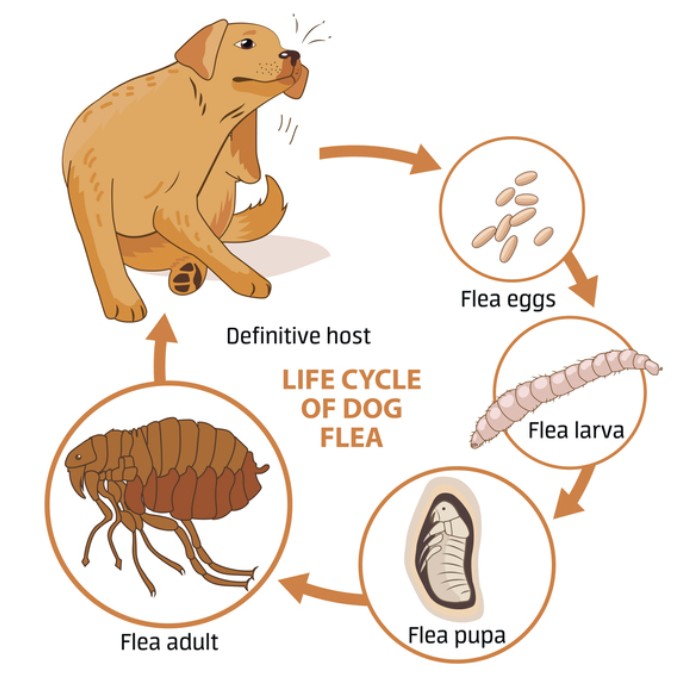
- Infestation: They can quickly infest a home, creating a lasting problem for both pets and humans.
Preventing Lyme Disease
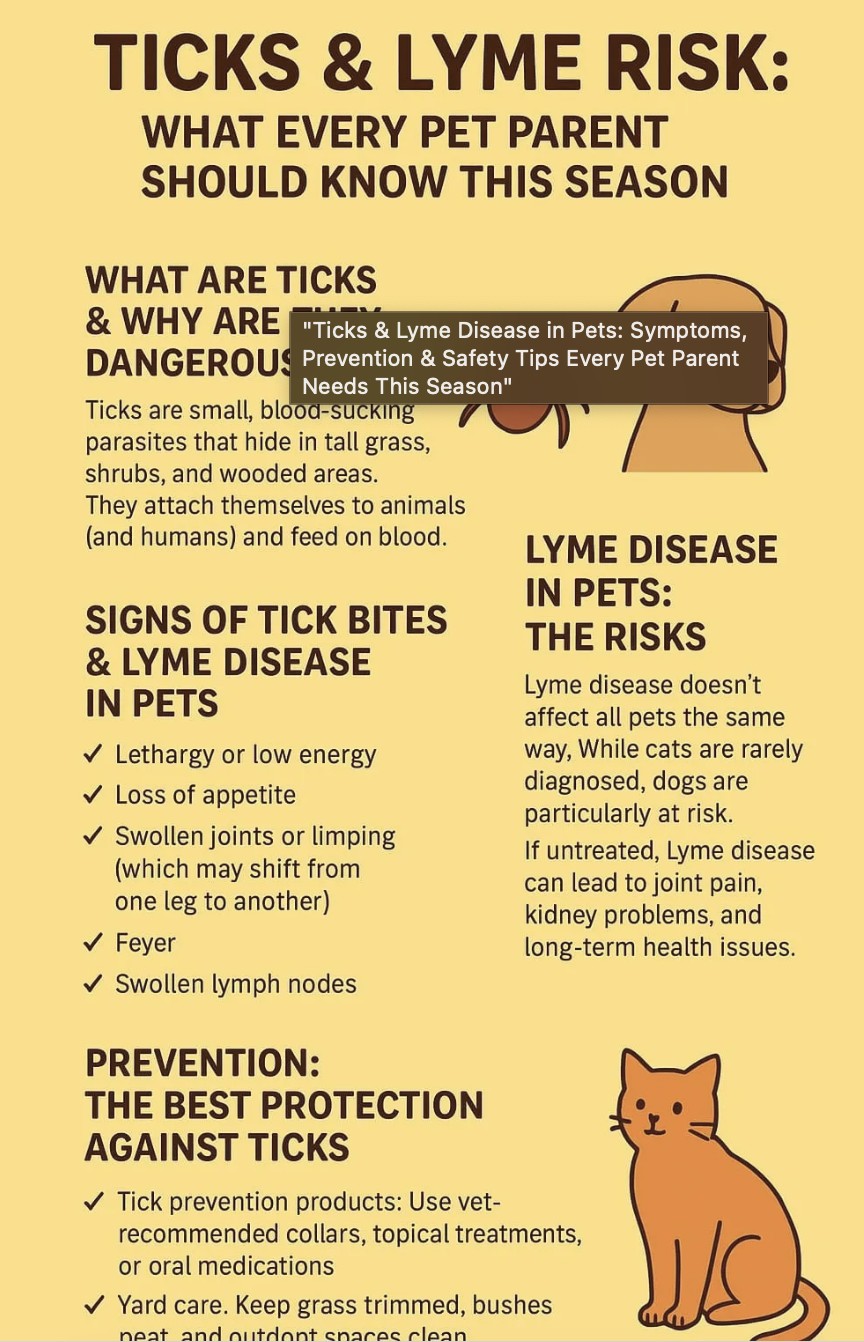
Lyme disease in pets, primarily caused by the bacterium Borrelia burgdorferi and transmitted by black-legged ticks, often presents as lameness, fever, joint swelling, and lethargy, usually appearing 2-5 months after a bite. While many infected dogs show no symptoms, severe cases can lead to fatal kidney issues. Treatment typically involves a month-long course of antibiotics.
- Transmission: Transmitted by black-legged ticks (“deer ticks”) which must generally be attached for 24–48 hours to transmit the bacteria.
- Symptoms in Dogs: The most common sign is recurrent lameness due to joint inflammation, often described as “shifting leg lameness”. Other symptoms include fever, stiff walk/arched back, swollen lymph nodes, reduced appetite, and lethargy.
- Serious Complications: While rare, some dogs develop a severe, often fatal kidney condition known as Lyme nephritis.
- Diagnosis & Treatment: Veterinarians use blood tests (like the C6 test) to detect antibodies, usually 4-6 weeks post-infection. Treatment involves antibiotics, most commonly doxycycline, typically for 4 weeks.
- Cats: While rare, cats can be infected with Lyme disease, showing similar symptoms to dogs.
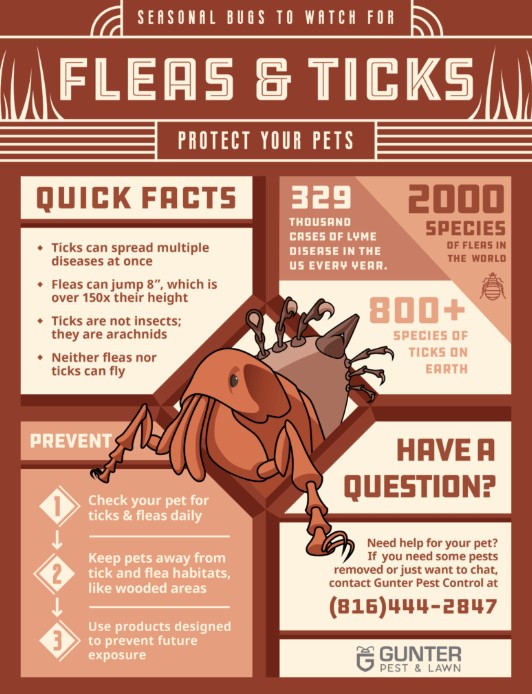
- Prevention: The best protection is year-round tick prevention (collars, topicals). Daily tick checks are crucial. A vaccine is available, though it is not 100% effective.
- Human Risk: You cannot catch Lyme disease directly from your dog, but your dog can bring infected ticks into your home.
When to See a Veterinarian:
If your pet shows signs of lameness, lethargy, or fever, particularly if you live in a high-tick area or have recently found a tick on them, seek veterinary care promptly.